
Sustainable Luxury Hotels: The Case of Impression Isla Mujeres

Updated: Mar 18
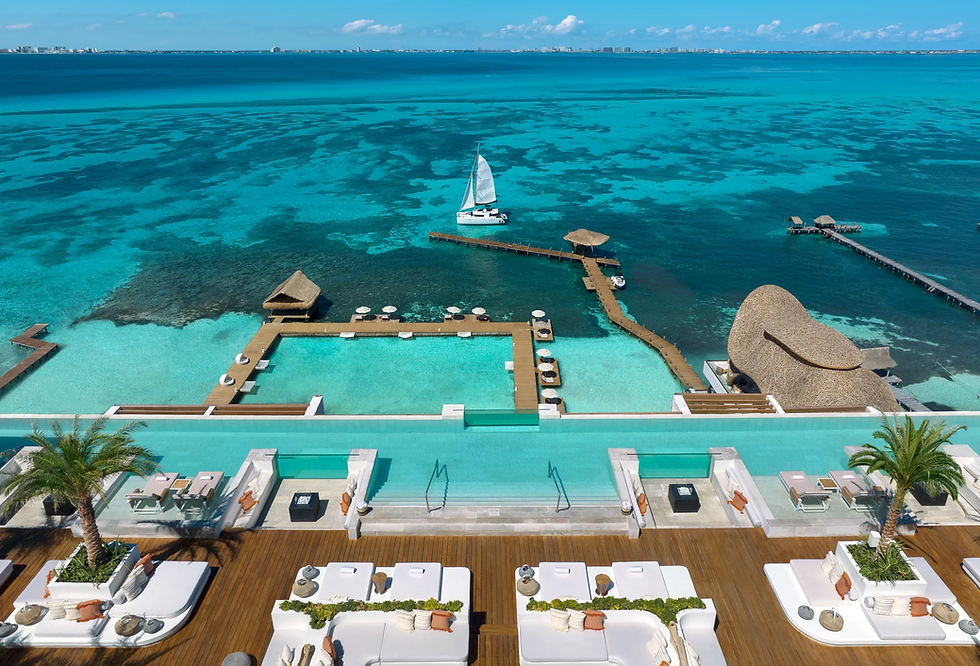
The concept of sustainable luxury hotels has become increasingly relevant in the global tourism industry. As environmental concerns grow and travelers become more conscious of their ecological footprint, many high-end hospitality brands are integrating sustainability into their core operations. One widely discussed example is Impression Isla Mujeres by Secrets, a resort in Mexico that illustrates how environmental responsibility can coexist with premium hospitality.
Sustainable luxury hotels differ from traditional resorts because sustainability is embedded in design, operations, and brand identity. Instead of presenting sustainability as a marketing add-on, these properties integrate environmental and social responsibility into architecture, resource management, and community partnerships.
Impression Isla Mujeres demonstrates how a resort can align luxury experiences with environmental protection and local development. The project combines architectural reuse, renewable energy practices, reduced plastic consumption, and conservation partnerships to create a model frequently cited in discussions about sustainable tourism.
Architecture and Design in Sustainable Luxury Hotels
One of the most distinctive aspects of many sustainable luxury hotels is how they approach construction and land use. Rather than starting from scratch, some developments prioritize adaptive reuse of existing structures in order to minimize environmental impact.
In the case of Impression Isla Mujeres, the resort reused an existing structure located on a cliff overlooking the island. By repurposing a preexisting building, developers reduced the amount of new construction required and limited disruption to the surrounding landscape.
Architectural design also focused on integration with the natural environment. Organic design principles were used to ensure that buildings visually blend with the coastal terrain. Materials such as bamboo and locally sourced wood were incorporated into the structures. These materials not only reduce the carbon footprint associated with transportation but also create a design aesthetic that reflects the region’s natural identity.
In many sustainable luxury hotels, architecture is intended to function as both an environmental strategy and a cultural expression. The result is a built environment that respects local ecosystems while maintaining the comfort and exclusivity expected in high-end hospitality.
Operational Practices That Reduce Environmental Impact
Beyond architecture, sustainable luxury hotels also implement operational systems designed to reduce resource consumption. Energy use, water management, and waste reduction are key areas where sustainability strategies are applied.
At Impression Isla Mujeres, solar panels have been installed primarily to heat water used in guest suites and common areas. This approach reduces reliance on fossil fuels and contributes to a lower operational carbon footprint.
Another significant initiative involves water purification and bottling. The resort operates its own water purification system, producing both still and sparkling water on-site. By using reusable glass bottles that can be refilled thousands of times, the hotel significantly reduces the need for single-use plastic bottles.
These practices support a broader plastic-free strategy within the property. Amenities are provided in refillable containers, and operational processes aim to eliminate disposable plastics in guest rooms, restaurants, and public spaces. Such systems illustrate how sustainable luxury hotels integrate sustainability into everyday operations rather than treating it as a separate program.

Community Engagement and Marine Conservation
Sustainability in hospitality is not limited to environmental protection. Many sustainable luxury hotels also incorporate social responsibility and community engagement into their operating models.
Impression Isla Mujeres maintains an active partnership with the Saving Our Sharks Foundation, a marine conservation organization dedicated to protecting shark populations and ocean biodiversity. The foundation operates programs that support marine research, conservation education, and sustainable fishing practices.
Through this collaboration, the resort contributes to initiatives that protect marine ecosystems surrounding Isla Mujeres. The partnership also highlights how tourism infrastructure can support environmental organizations by providing resources, visibility, and operational support.
Local economic development is another aspect of the project’s impact. The resort represents a major investment and has generated hundreds of direct jobs and more than a thousand indirect employment opportunities. These positions range from hospitality and tourism services to supply chains that include local producers and artisans.
For sustainable luxury hotels, this type of engagement demonstrates that sustainability extends beyond environmental management. It also involves strengthening local economies and fostering partnerships that benefit host communities.
Market Trends Driving Sustainable Luxury Hotels
Consumer behavior in the luxury travel sector has shifted significantly over the past decade. Many travelers now evaluate destinations and hotels not only by comfort and exclusivity but also by environmental responsibility.
Market research suggests that affluent travelers are increasingly willing to pay higher prices for accommodations that demonstrate genuine sustainability practices. In some cases, surveys indicate that luxury travelers may accept price premiums of 30 to 50 percent when hotels provide verified environmental and social initiatives.
This trend helps explain the growing visibility of sustainable luxury hotels in the global tourism industry. Properties that successfully integrate sustainability into their design and operations often develop strong brand narratives that appeal to environmentally conscious travelers.
Impression Isla Mujeres illustrates how storytelling can reinforce this positioning. From the reuse of architectural structures to plastic reduction policies and marine conservation partnerships, each element contributes to a coherent identity centered on responsible tourism.
As sustainability becomes a defining factor in travel decisions, sustainable luxury hotels are likely to play an increasingly important role in the evolution of high-end tourism. Their ability to combine environmental stewardship with premium guest experiences suggests a model that may influence future hospitality development worldwide.


Comments